

When a Program Director Doesn't Direct Programs
Uncertain. Tumultuous. Standstill. Liberating. Whatever adjective is your go-to descriptor for the current climate brought on by COVID-19’s entry into our lives in mid-March I can certainly relate to it. Let me share with you a little bit of why that is...

When the coronavirus first made its appearance in the United States, I was happily sitting on a beach in Panama without a care in the world, loving every aspect of my life as LtN’s Panama Program Director. When COVID-19 hit the US, I was forced into considering one of the most challenging, heart-wrenching moral debates that I have encountered thus far in my life: to stay in Panama or to return to my US home and family. At that point, all I could think was that Bocas had become my home, its community my family and my work with LtN so much more than just “work.”
Two weeks later, Panama announced that it would be closing its borders to all commercial travel. So, armed with a return flight to Bocas at the end of May, I found myself on a plane headed back stateside.
When I landed, I was united with my family along with a flood of unexpected and unknown. Not only had COVID-19 sent me away from the people and the programs that I had dedicated myself to for nearly a year, it had altered my role within LtN as well. How could I be an influential member of our team if I couldn’t run our programs in Panama?
Over the past four and a half months (and a cancelled May return flight), I have had the privilege of finding a very profound answer to this question… well several answers to be exact.
On the macro-level, I have had the opportunity to dig into more facets of Lacrosse the Nations with tasks that hadn’t previously fallen within my PD purview. On the micro-level, I have created professional development tools for our international coaches, dived into the nitty gritty of donor relations and data entry, and learned what really lies behind managing websites and analyzing their traffic. I have helped evaluate what matters most in our programs and established with coworkers how we can best prioritize our goals.

I have found myself connecting more with our mission and the people that tirelessly work to achieve it than I had while I was on the ground.
Taking a step back now, the adjectives I would use to describe “quarantimes” for me are surprising and enlightening. The virus that I thought had completely upended a years’ worth of hard work and uprooted me from a life full of freedom, self-discovery and gratitude on an island in Panama has actually opened my eyes to more confidence, joy and connection than I had ever imagined. For that, I am grateful.
-Maria McDonough, Program Director
Re-Opening Programs in Colombia (with a Twist)
COVID-19 has had a massive impact on our programs. In Colombia, it totally halted the launch of lacrosse after just one month of introducing the sport. With schools set to stay virtual through the end of 2020, we are hoping to leverage the close relationship between Physical Education, Sport and other areas of educational development to re-launch our programs.
Over the past several weeks, Program Director and head Coach, Oscar Castillo, has been working with teachers and administrators at the Enrique Santos Montejo School to increase the effectiveness of teaching and learning through sport. Oscar, working with teachers from different departments has designed a series of lesson plans that intertwine lacrosse into other subjects such as English and Science.
Our goal with this is two-fold. Firstly, we hope to introduce the sport (on paper) to a broader population of the school. Secondly is to use lacrosse to make lessons taught in the school’s virtual classes more engaging and entertaining for students while learning from home. We hope that by incorporating lacrosse into different subjects, students will be excited to learn and eager to join lacrosse once we can safely get back on the field.
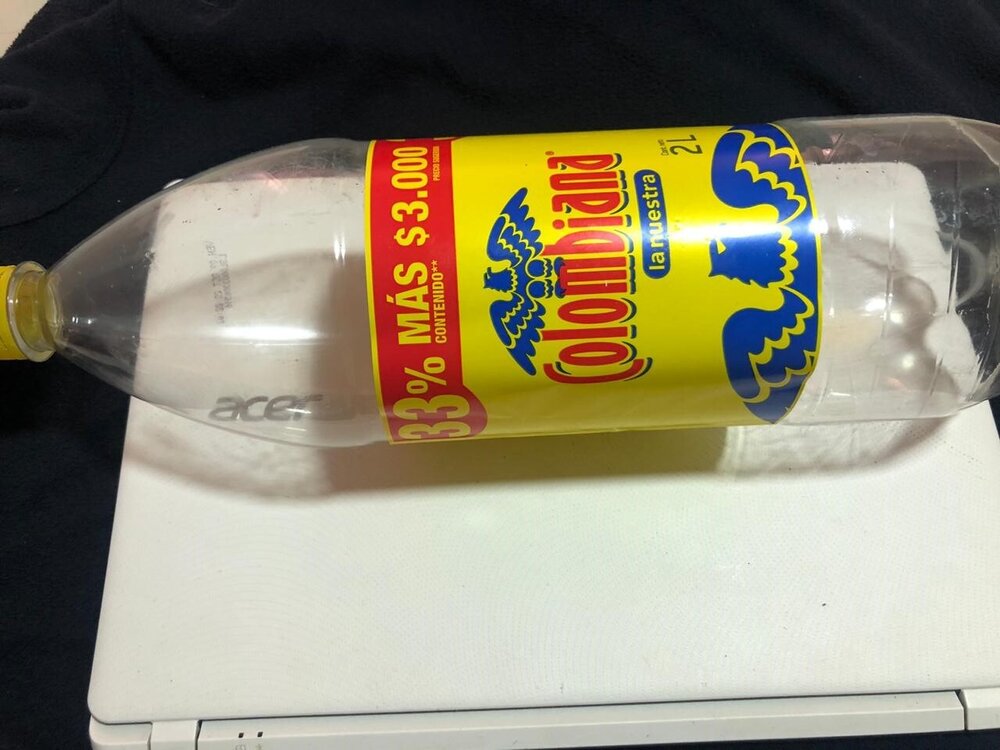
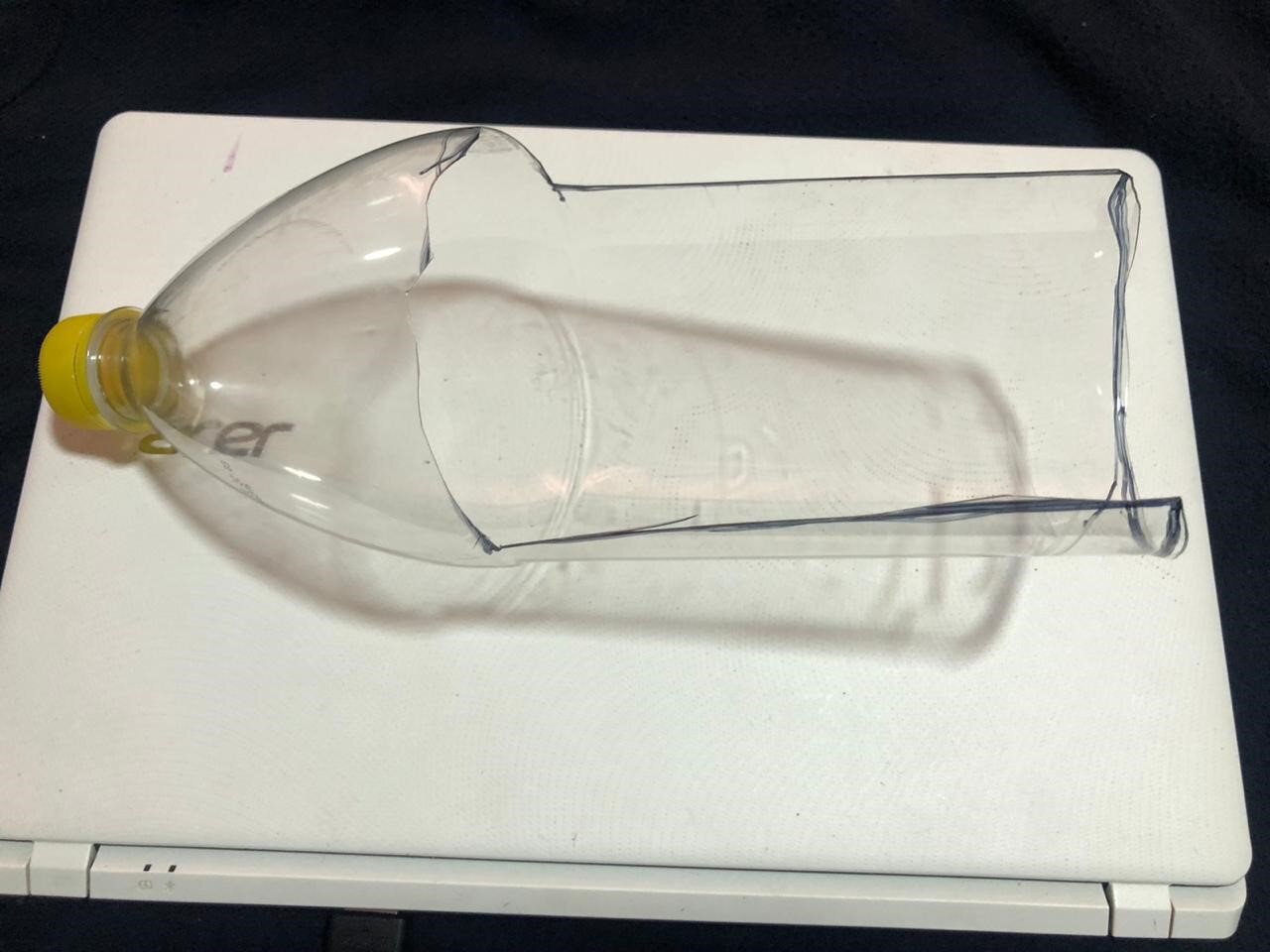
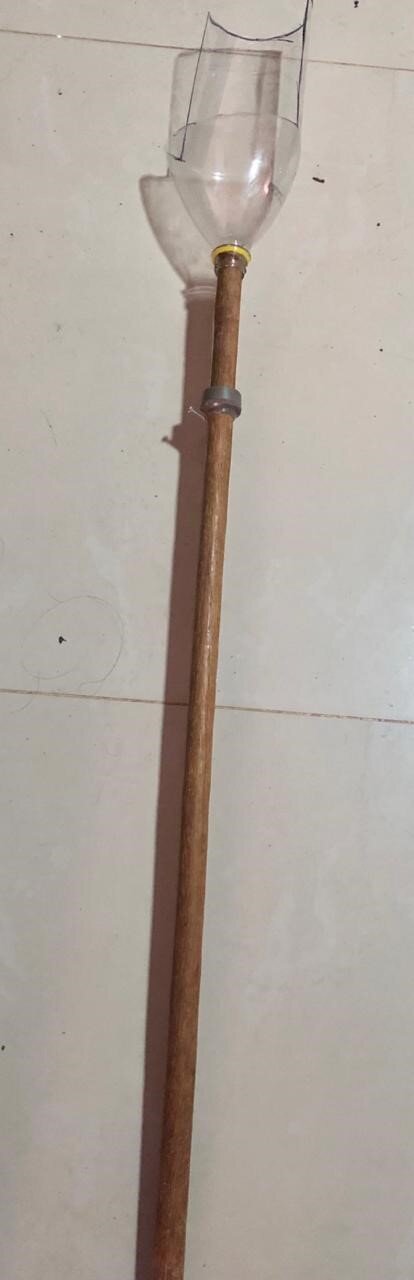
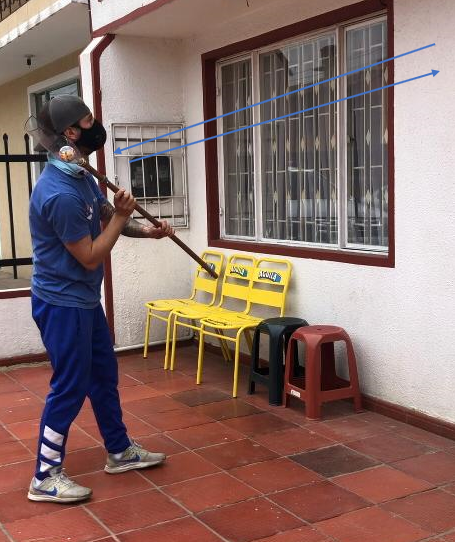
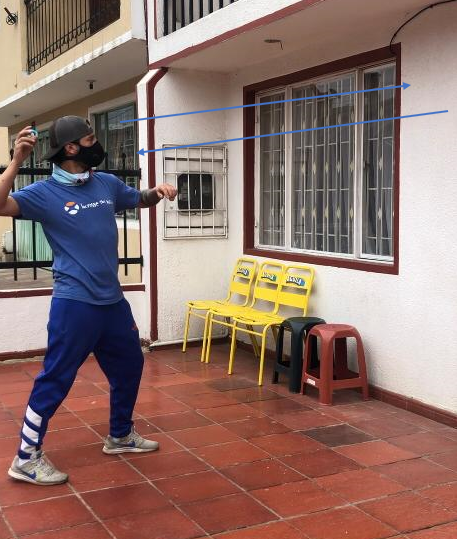
For example, in Physics class Oscar tied a lesson on “the application of force” to the science behind a shot on goal. In Religion, Oscar introduces the origins of Lacrosse as a Native American sport that was used to honor the Creator. He is doing this with other subjects too, finding direct links with physical activity and sport. He’s even getting kids to create their own lacrosse sticks in Art class using broom sticks and plastic bottles.
As we’ve seen on the field, successful learning comes from practical applications of subject matter in everyday life. We are excited to see the results of Oscar’s curriculum modifications and how they will translate to after-school participation as soon as fields re-open!
#laxingfromhome with DIY lacrosse sticks in Nicaragua! #growthegame pic.twitter.com/K8h2tpDDMZ
— @laxthenations (@laxthenations) September 1, 2020


Moments We Can’t Wait to Have Back: From Tantrums to Teamwork
“Maarrriiiiaaaa!” I hear a young kid’s voice yelling to me from across the street as I ride my bike up to practice with all of our lacrosse gear. I look around and see a smiling youngster carrying a white lacrosse stick running along a concrete path between an irregularly large trash pile and an electrical outpost. It’s Junior!

You might recognize his name and his face from our social media channels, but you may not know the story behind one of our very first Panamanian laxers. At only six years old, Junior reaches to about my hip level ... on a good day … and when he has remembered to wear his zapatillas (“sneakers”) to practice. His lacrosse stick is nearly as long as he is tall. However, the growth that I have had the honor of witnessing in this small laxer is anything but small. Let me share with you how Junior has transformed from a hot-headed, tantrum-throwing terror into a responsible and caring teammate...
When I first met Junior, he had just turned six and was insistent that I know that he was the youngest at practice. Indeed he was, for our programs tend to target youth between the ages of eight and fourteen. But, there was no way we were turning this ball of energy away! What Junior lacked in material things and in size, he undoubtedly made up for in might on the field. Now, I quickly learned that Junior’s “might” came in different shapes and degrees depending on his mood that day at practice.

Although our Life Skills Curriculum teaches to swap physical expressions of anger with calm verbal ones and change flares of frustration into productive team effort, Junior was the master at being an example of what we would like our players not to do. He would often kick his teammates, cut in line, whine and complain, and - yes it is true - run around the field waving his stick over his head like a tomahawk when he got upset. Fortunately, his teammates were very patient with their youngest teammate, and after placating these outbursts we would use them as helpful learning moments.
As time went on and these outbursts continued to be managed, Junior’s behavior slowly started to change. Frustration was demonstrated less so with physical actions and more so with words, accidental altercations were followed by a recognition of accountability and a Disculpa! (“Sorry!”), and excited smiles outnumbered frowns.

That’s the best part about practice with Junior - the excitement he brings. And, as more time passed, this excitement and commitment to the game has overflowed into him transforming into a better teammate. Now, he is my everyday ayudante (“helper”). From being the referee during our scrimmages and holding his teammates accountable with squat punishments to always being the first player to offer their assistance with setting up the goals and collecting the balls, Junior has a pivotal role at practice. His presence is undeniable and now he sets the right example rather than the wrong one!
His transformation is so evident that even the parents of his teammates have commented on it. One day, as I spoke with them after practice, Junior cleared the entire field himself, picking up every cone, every ball, and dismantling both goals all on his own. To say the team parents were impressed would be an understatement. His parents, too, have seen a significant change in their son. While waiting for Junior to find his zapatillas one day, his mother mentioned to me how grateful she is for our programs and how Junior is so much more polite at home than ever before.

As I write this from my home in the United States rather than from my home in Panama, I am humbled by the effect, energy and sheer enjoyment that our programs have brought to Junior’s life. Indeed, his lacrosse skills are a sight to be seen, especially for someone so young, but really it is his heart and desire to learn that has me typing this in awe.
I am grateful for my ayudante, for all of our bike races to practice, and for the little Panamanian laxer that never fails to put a smile on my face. His stick may be too big for him, but the shoes he has waiting for him to fill certainly are not!
— Panama Program Director, Maria